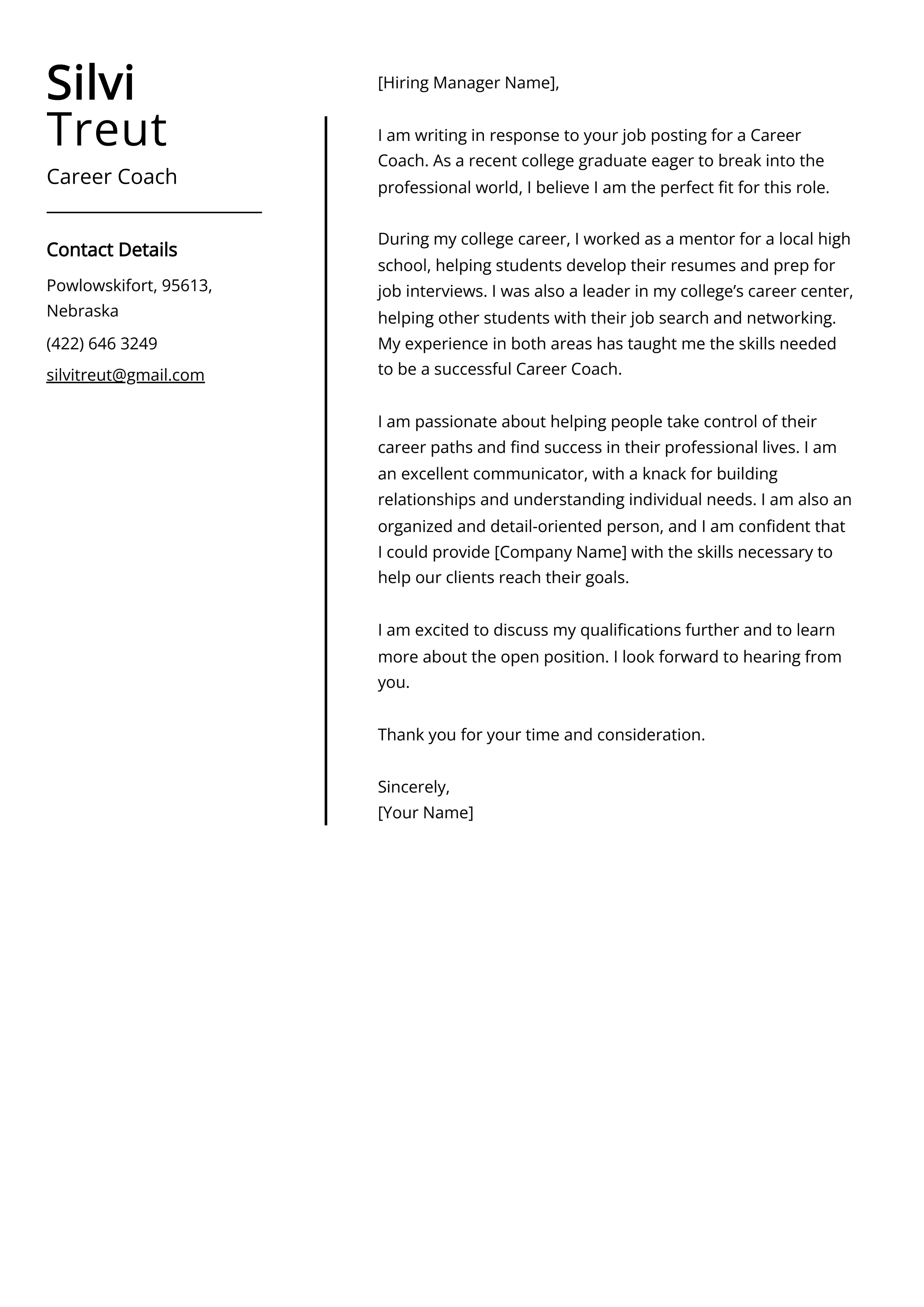
Crafting the Perfect Coaching Cover Letter
A well-crafted cover letter is your first opportunity to make a strong impression on a potential employer in the coaching field. It serves as a crucial introduction, showcasing your qualifications, experience, and enthusiasm for the coaching position. When crafting your cover letter, focus on clarity, conciseness, and a professional tone. Begin by addressing the hiring manager by name, if possible, to demonstrate that you’ve researched the company and the specific role. The opening paragraph should immediately capture the reader’s attention, clearly stating the position you’re applying for and why you’re interested in it. Highlight your key skills and experiences relevant to coaching, and explain how they align with the company’s needs and values. Throughout the letter, maintain a positive and enthusiastic tone, demonstrating your passion for coaching and your commitment to helping others succeed. Remember, the goal is to stand out from the competition and secure an interview, so make every word count and tailor your letter to the specific requirements of the job.
Highlighting Your Coaching Experience
Your coaching experience is the core of your application, so make sure it shines. Clearly outline your previous coaching roles, the types of clients or teams you’ve worked with, and the specific areas you’ve focused on. Provide concrete examples of your coaching responsibilities, such as conducting individual or group sessions, developing coaching plans, providing feedback, and tracking progress. If you’ve worked in a specific industry or with a particular demographic, emphasize this. For instance, if you’ve coached executives, athletes, or students, specify that. Use action verbs to describe your achievements, such as ‘developed,’ ‘implemented,’ ’led,’ ‘facilitated,’ or ‘mentored.’ When detailing your experience, focus on the results you’ve achieved for your clients or teams. Have you helped them achieve specific goals, improve performance, or overcome challenges? Highlighting these successes will demonstrate your effectiveness as a coach and make you a more attractive candidate. Furthermore, if you possess any certifications or training in coaching, be sure to include them. They add credibility to your application and showcase your commitment to the profession.
Quantifying Your Achievements

To make your cover letter even more compelling, quantify your achievements whenever possible. Instead of simply stating that you helped clients improve, provide specific metrics and data to demonstrate the impact of your coaching. For instance, you could say, ‘Increased client goal attainment by 30% within six months’ or ‘Helped a team improve its performance by 20% in key metrics.’ Quantifiable results immediately catch the reader’s attention and provide concrete evidence of your ability to deliver results. Include data related to any coaching programs you have run, the number of clients you have worked with, or the improvements in areas like productivity, sales, or overall well-being. If you have data showing a reduction in employee turnover or a rise in team morale, those are also valuable points to include. By using numbers and statistics, you transform your statements from vague claims into powerful evidence of your coaching effectiveness, making your application stand out from others.
Demonstrating Your Understanding of the Coaching Role
Show the hiring manager that you truly understand the coaching role by clearly outlining your coaching philosophy and demonstrating your understanding of the principles of coaching. Describe your approach to coaching, including how you build rapport with clients, set goals, provide feedback, and encourage accountability. Talk about the methodologies or frameworks you use, whether it’s the GROW model, the SMART goals framework, or any other established techniques. Showcase your knowledge of the challenges and opportunities in the coaching field, as well as your ability to work with diverse clients and situations. Also, show your awareness of ethical considerations in coaching, such as maintaining confidentiality and promoting client well-being. Explain your ability to tailor your coaching style to individual needs and how you help clients overcome obstacles and reach their full potential. This demonstrates that you are not just applying for a job but are genuinely committed to the coaching profession.
Tailoring Your Cover Letter to the Specific Position
Generic cover letters do not impress hiring managers. The best cover letters are customized to match the specific coaching position you are applying for. Carefully review the job description and identify the key requirements, skills, and qualifications the employer is seeking. Then, tailor your cover letter to highlight how your experience, skills, and accomplishments align with those specific needs. Address the requirements mentioned in the job description and demonstrate how you possess the qualities they are looking for. Research the company’s values, mission, and culture, and explain how your coaching approach aligns with them. This shows the hiring manager that you understand their organization and are genuinely interested in the role. Don’t simply list your skills; provide examples of how you’ve used those skills to achieve results that match the employer’s needs. Proofread your letter to ensure you have used the correct company name and job title. The more you can personalize your cover letter, the higher your chances of landing an interview will be.
Showcasing Your Soft Skills for Coaching

In the coaching profession, soft skills are often just as important as technical skills. Highlight the soft skills that are essential for success in coaching, such as active listening, empathy, communication, and problem-solving. Provide examples of how you’ve demonstrated these skills in your previous coaching experiences. For instance, explain how you’ve used active listening to understand clients’ needs, how you’ve shown empathy to build trust, or how you’ve used effective communication to provide constructive feedback. Also, include other relevant soft skills such as leadership, motivation, and the ability to build rapport. Provide examples of how you have motivated and guided clients toward success. Emphasize your ability to work collaboratively, build relationships, and foster a positive and supportive environment. By showcasing these soft skills, you can demonstrate your ability to connect with clients, inspire them, and support them in reaching their full potential. Moreover, your ability to adapt and handle different personalities is also a great point to include.
Expressing Your Passion for Coaching
Your passion for coaching is what sets you apart, so don’t be afraid to let it shine through. Express your enthusiasm for the coaching profession and your genuine desire to help people grow and succeed. Explain why you are drawn to coaching, what motivates you, and what you find most rewarding about the work. Convey your belief in the power of coaching to transform lives and help individuals and teams reach their full potential. Talk about your professional development goals and how this coaching role aligns with your career aspirations. Show the hiring manager that you are dedicated to the coaching profession and are committed to continuous learning and improvement. Show the energy and excitement that you have for the coaching profession. This will demonstrate your commitment and inspire the hiring manager to want to bring you on board.
Proofreading and Formatting Your Cover Letter
Before submitting your cover letter, proofread it meticulously to eliminate any errors in grammar, spelling, and punctuation. Typos and grammatical errors can undermine your credibility and make you appear unprofessional. Use spell-check and grammar-check tools, but also read your cover letter several times to catch any mistakes those tools might miss. Pay close attention to sentence structure, word choice, and overall clarity. Ensure the formatting of your cover letter is clean, professional, and easy to read. Use a standard font like Times New Roman or Arial, and choose a font size between 11 and 12 points. Use consistent spacing and margins, and make sure your paragraphs are well-organized. The cover letter must look professional. Make sure you address the hiring manager correctly and always end with a call to action. Proofreading and formatting are the final steps to make sure you’re submitting a polished cover letter that makes a positive impression.
Key Coaching Cover Letter Takeaways

In conclusion, a well-written cover letter is a critical tool for landing a coaching position. By crafting a compelling cover letter that highlights your experience, quantifies your achievements, demonstrates your understanding of the coaching role, and showcases your soft skills and passion, you can significantly increase your chances of getting an interview. Remember to tailor your cover letter to each specific position, and always proofread it carefully before submitting it. Make a great first impression, and your dream job will be within reach. Good luck with your job search.