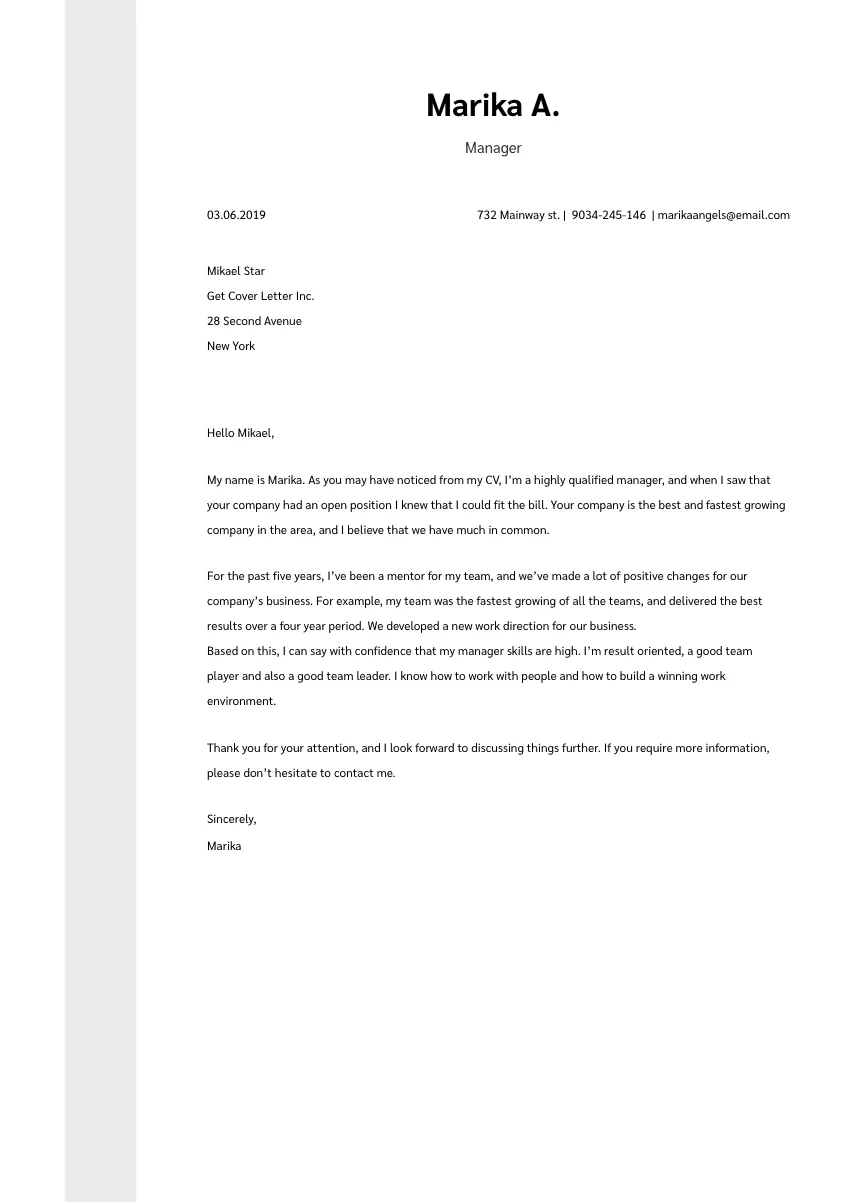
What is a Base Cover Letter
A base cover letter is a foundational document used in the job application process. It serves as a template that you can adapt and personalize for various job applications. It’s designed to introduce you to a potential employer, highlight your key skills and experiences, and express your interest in a specific position or company. The base cover letter is crucial as it is the first point of contact with a hiring manager, setting the tone and making an initial impression. It allows you to showcase your personality, explain your career goals, and demonstrate your understanding of the job requirements. A well-crafted base cover letter increases your chances of getting noticed and securing an interview. Remember, this document is not a one-size-fits-all solution, it’s the starting point to be customized.
Why Base Cover Letters Are Essential
Base cover letters are essential because they save time and effort while ensuring consistency in your job applications. Instead of starting from scratch for each application, a base cover letter provides a solid structure and core content that you can easily modify. They provide a chance to explain your interest in the company and the role, which a resume alone cannot. It also allows you to showcase your personality and writing skills, helping you stand out from other applicants. By tailoring the base letter, you can emphasize your most relevant skills and experiences, making it a more compelling argument for your candidacy. A well-prepared base cover letter demonstrates professionalism, attention to detail, and a proactive approach to job searching, all of which are highly valued by employers.
Understanding the Structure

The structure of a base cover letter is designed to be clear, concise, and persuasive. It usually follows a standard format to ensure it’s easy to read and understand. The structure generally begins with your contact information and the date, followed by the hiring manager’s information if available. The body should include a compelling opening paragraph, several paragraphs highlighting relevant skills and experiences, and a closing paragraph that expresses gratitude and calls for action. Each section serves a specific purpose, such as introducing yourself, showcasing your qualifications, and expressing your interest in the position. This structured approach allows you to present your information in a logical and organized manner, increasing its effectiveness in capturing the reader’s attention and conveying your suitability for the role. Understanding the structure is the first step toward creating an impactful document.
Key Elements of a Base Cover Letter
Several key elements are essential for an effective base cover letter. It starts with accurate and professional contact information including your name, address, phone number, and email. Next is the date and the hiring manager’s information, including their name, title, and company address, which shows you have done your research. The opening paragraph should grab the reader’s attention by stating the position you are applying for and how you learned about it. The body should include several paragraphs detailing your skills and experiences that align with the job description, using specific examples to demonstrate your achievements. The closing paragraph should express your gratitude, reiterate your interest in the position, and include a call to action, such as inviting the reader to contact you for an interview. Each element plays a role in presenting you as a strong candidate.
Your Contact Information and Date
Your contact information and the date are crucial components of your base cover letter as they establish the basic details for communication and provide context. Your contact information should be at the top of the document and include your full name, address, phone number, and professional email address. Ensure your email address is professional, using your name or a variation thereof. The date indicates when the cover letter was written and allows the hiring manager to understand when you applied for the role. It is typically placed directly below your contact information. These details provide an easy way for the hiring manager to contact you and shows you have paid attention to detail. These elements are typically placed at the top, allowing for easy access and quick reference.
The Hiring Manager’s Information

Including the hiring manager’s information in your base cover letter demonstrates that you have taken the time to research the company and identify the appropriate contact person. If possible, address the cover letter to the hiring manager by name, including their title and the company’s address. This personal touch can help your application stand out. If you cannot find the hiring manager’s name, use a general greeting, such as “Dear Hiring Manager,” which is still preferable to a generic greeting. Ensure that you double-check all the information for accuracy. A well-addressed cover letter showcases your attention to detail and your genuine interest in the role, increasing your chances of a positive response. This section should be placed just below the date, allowing for a structured and professional look.
Crafting the Perfect Salutation
The salutation is your first opportunity to make a positive impression. When you know the hiring manager’s name, use a formal greeting such as “Dear Mr./Ms./Mx. [Last Name].” If you are unsure of the name, “Dear Hiring Manager” or “Dear [Company Name] Hiring Team” are suitable alternatives. Avoid generic greetings such as “To Whom It May Concern,” which can make your application feel impersonal. Always be respectful and professional in your salutation. A well-crafted salutation sets the tone for the rest of the letter, and addressing the recipient by name if possible, shows that you have done your research. Ensure to properly capitalize all titles and names and maintain consistency throughout the letter. The salutation establishes your initial connection and demonstrates your professional courtesy.
Writing a Compelling Opening Paragraph
Your opening paragraph is your first chance to grab the reader’s attention, and it should immediately state the position you are applying for and how you learned about it. Be direct and clear. You may also briefly mention why you are interested in the company. In the first sentence, state the job title and, if relevant, where you saw the posting. The following sentence should highlight your interest and excitement for the role and the company. A compelling opening paragraph sets the stage for the rest of your cover letter. It makes a strong initial impression and encourages the reader to continue. It’s important to keep it concise and to the point while conveying your enthusiasm and demonstrating your awareness of the job opportunity.
Tip 1 Highlight Relevant Skills and Experience

In your cover letter, focus on the skills and experiences that directly relate to the job description. Carefully review the job posting and identify the key requirements and responsibilities. Then, in the body of your letter, highlight how your skills and experiences align with those requirements. Use specific examples from your past roles to demonstrate how you have successfully performed similar tasks or achieved relevant results. This is not a time to list all your past jobs, but to showcase how your qualifications align with the company’s needs. Tailor your letter to each specific job by emphasizing the experiences and abilities most valued by the employer. By doing so, you show the hiring manager how you can add value to their team.
Tip 2 Tailor to the Job Description
Customization is key to a successful cover letter. Always customize your base letter for each job application. Read the job description carefully to understand the specific requirements, responsibilities, and preferred skills. Identify the keywords, phrases, and qualifications that the employer is looking for, then integrate them into your cover letter. Instead of sending a generic cover letter, tailor your letter to highlight how your experiences and skills align with the requirements of the particular job. This will help you demonstrate to the hiring manager that you have the exact qualifications the company needs. Tailoring your cover letter shows the hiring manager that you are serious about the role and have taken the time to understand the job’s requirements.
Tip 3 Use Strong Action Verbs
Using strong action verbs in your cover letter makes it more compelling and impactful. Action verbs describe what you did in previous roles. Instead of passive phrases like “responsible for,” use active verbs like “managed,” “led,” “implemented,” or “achieved.” Begin your sentences with these verbs to showcase your accomplishments and abilities. When describing your experiences, use action verbs to clearly communicate your contributions and the impact you made. This will bring your accomplishments to life. This makes your cover letter more engaging and demonstrates your ability to take initiative and drive results. Always select verbs that accurately reflect your actions.
Tip 4 Quantify Achievements Whenever Possible

Whenever possible, quantify your achievements to make your cover letter more persuasive. Instead of simply stating that you “increased sales,” provide specific numbers, such as “increased sales by 20% in one quarter.” Use metrics, data, and statistics to demonstrate the impact of your work. This allows employers to see the tangible results of your efforts and gives them a clear understanding of your capabilities. Quantifying your achievements helps differentiate your letter from the rest of the applicants. Quantifiable achievements demonstrate your ability to drive results, solve problems, and contribute to the success of the organization. Include measurable outcomes and specific data points.
Tip 5 Proofread and Edit Carefully
Proofreading and editing are crucial steps in the cover letter writing process. Errors can damage your credibility and make it appear that you lack attention to detail. Before sending your cover letter, carefully review it for any grammatical errors, spelling mistakes, or typos. Read it aloud to catch any awkward phrasing or sentence structure issues. Consider having a friend, colleague, or career advisor review your letter for you. Fresh eyes can often catch errors that you might miss. A well-written, error-free cover letter leaves a positive impression and shows your professionalism and dedication. This is critical to ensure your cover letter is free of errors.
Formatting and Design for Impact
Formatting and design play a significant role in the readability and impact of your base cover letter. Use a professional and easy-to-read font, such as Arial, Calibri, or Times New Roman, with a font size between 10 and 12 points. Use clear headings and subheadings to organize your content and make it easy for the reader to scan. Maintain consistent margins and spacing throughout the document. Keep your paragraphs concise and avoid dense blocks of text. Use bullet points to highlight key information or achievements. A well-formatted cover letter shows that you pay attention to detail and are aware of professional standards. Ensure that your formatting is consistent and visually appealing, and that the design elements enhance readability and make a positive impression.
Closing the Letter

The closing paragraph is your final opportunity to make a lasting impression. Express gratitude for the hiring manager’s time and consideration. Restate your interest in the position and reiterate your enthusiasm for the company. Include a call to action, such as inviting the hiring manager to contact you for an interview or indicating your availability for a follow-up call. Make sure to include your contact information again. Keep the tone professional and enthusiastic, and thank the hiring manager again for their time. A well-crafted closing paragraph reinforces your interest, encourages further engagement, and leaves the reader with a positive and memorable impression. This part is very important to create the final call to action.
Expressing Gratitude and Next Steps
Expressing gratitude and outlining the next steps in your base cover letter is crucial to show professionalism and to leave a positive lasting impression. Begin by thanking the hiring manager for their time and consideration. You can simply state, “Thank you for considering my application.” Reiterate your interest in the position. If applicable, let the hiring manager know you are available for an interview at their convenience. This will demonstrate your eagerness and availability. Conclude by including your contact information one last time for easy reference. Close the letter with a professional closing, such as “Sincerely” or “Respectfully,” followed by your full name. A thoughtful and well-structured conclusion enhances your application and helps ensure that you are considered for the role.
Base Cover Letter Template
Using a base cover letter template is a great way to structure your application. It helps you save time and effort while ensuring you include all the essential elements. A good base cover letter template will include sections for your contact information, the hiring manager’s information, a professional salutation, a compelling opening paragraph stating the position, body paragraphs highlighting your key skills and experiences and a closing paragraph expressing gratitude, and a call to action. The template should be easy to customize for each job application, allowing you to tailor the content to match the specific requirements of the role. By using a base cover letter template, you can maintain consistency in your applications and ensure you create a polished and effective cover letter. Having a template helps streamline the whole process, from application to interviews.
Example Cover Letter

Here is an example of a cover letter. This is a sample cover letter and can be used as a template. Remember to tailor it to fit your needs:
[Your Name] [Your Address] [Your Phone Number] [Your Email]
[Date]
[Hiring Manager Name] [Hiring Manager Title] [Company Name] [Company Address]
Dear [Mr./Ms./Mx. Last Name],
I am writing to express my interest in the [Job Title] position at [Company Name], as advertised on [Platform where you saw the job posting]. I was excited to see this opportunity as it aligns with my skills and career goals.
In my previous role at [Previous Company], I [briefly explain your responsibilities]. I have a proven track record of [mention a key achievement]. I am proficient in [list key skills relevant to the job] and possess a strong ability to [mention a relevant skill].
I am eager to contribute my skills and experience to [Company Name]. I am particularly drawn to [mention something specific about the company or the role].
Thank you for your time and consideration. I look forward to the possibility of discussing my application in further detail.
Sincerely, [Your Full Name]
Remember to tailor this to the specifics of the job and the company. This is a basic example, but you should tailor it to fit your needs.
Frequently Asked Questions
Here are some frequently asked questions about writing base cover letters:
What is the purpose of a base cover letter? It serves as a customizable template to introduce yourself and highlight your key skills and experiences.
How do I tailor a base cover letter? Customize it by highlighting the most relevant experiences and skills for each job and using keywords from the job description.
What should I include in the opening paragraph? State the position you are applying for and where you saw the job posting.
How long should a base cover letter be? Ideally, it should be one page.
Should I include references in my base cover letter? References are usually listed separately and should not be included in your cover letter unless specifically requested.
Can I use a template for my base cover letter? Yes, using a template is a good starting point, but you must tailor it to each job.
By understanding these basics, you can create a strong foundation and write a cover letter that sets you apart.