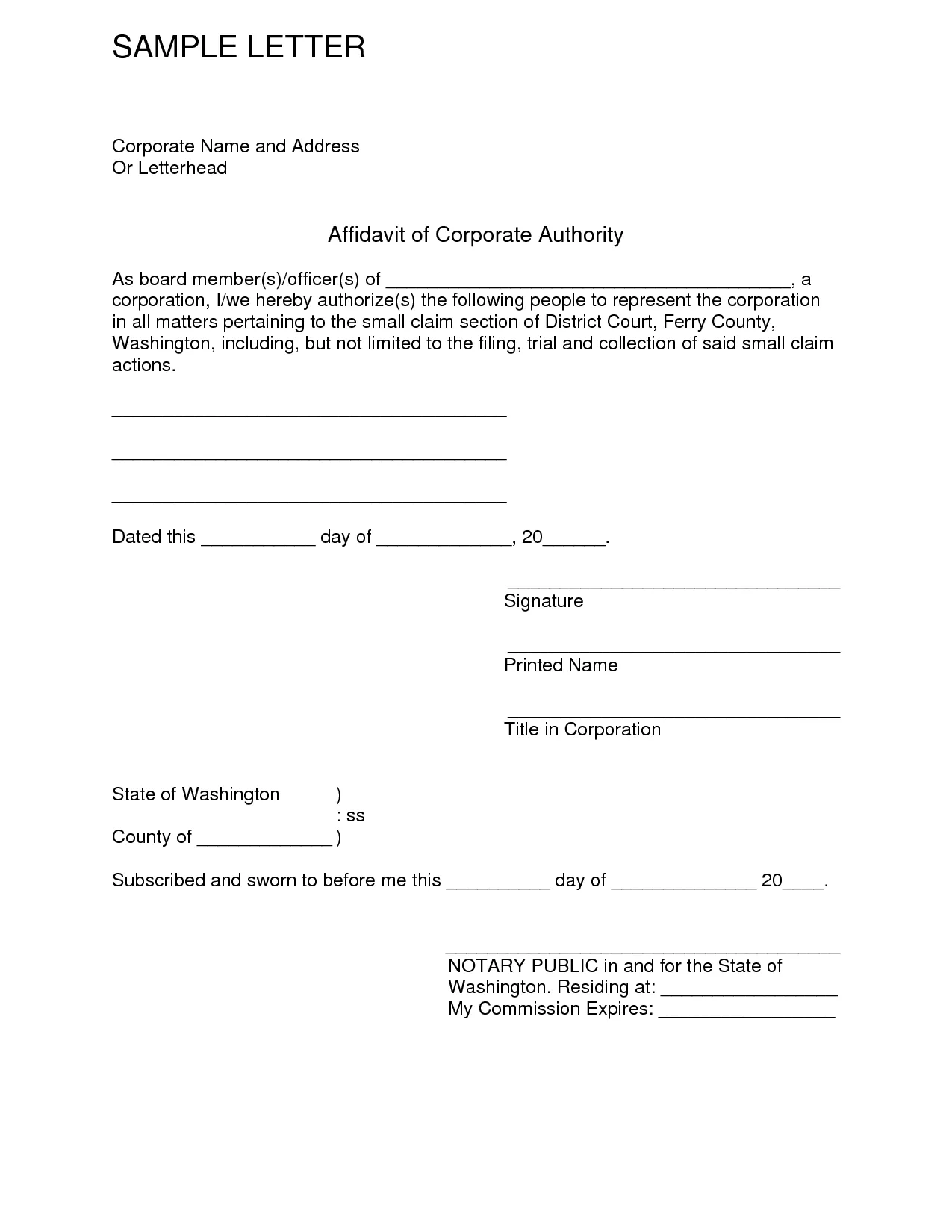
Understanding Affidavit Cover Letters
An affidavit cover letter is a crucial document that accompanies an affidavit. It serves as a formal introduction, providing context and explaining the purpose of the affidavit. This letter isn’t just a formality; it plays a significant role in ensuring the affidavit is properly understood and processed by the recipient. It helps to organize and present the information in a clear and concise manner, making it easier for the reader to grasp the key points of the attached legal document. A well-crafted cover letter can significantly increase the effectiveness of the affidavit, ensuring it serves its intended purpose efficiently. Failing to include a cover letter, or submitting a poorly written one, can create confusion or delay the process.
The Purpose of an Affidavit Cover Letter
The primary purpose of an affidavit cover letter is to provide context and clarity. It introduces the affidavit, explains why it’s being submitted, and briefly summarizes its content. This helps the recipient quickly understand the document’s relevance and significance. It also helps establish a formal line of communication. The cover letter acts as a bridge between the affiant and the recipient, ensuring the affidavit is handled correctly. Furthermore, a cover letter allows you to politely inform the recipient of any specific action they need to take regarding the affidavit. This might include signing and returning it, or using the information provided for a particular process. It streamlines communication and minimizes the potential for errors or misunderstandings.
When is an Affidavit Cover Letter Necessary

While not always mandatory, a cover letter is almost always recommended. It is particularly important when submitting an affidavit to a court, government agency, or any professional organization. It’s a sign of professionalism and attention to detail. In situations involving complex legal or financial matters, a cover letter can provide essential background information. For instance, when submitting an affidavit supporting a legal claim, the cover letter should briefly explain the nature of the claim. When the affidavit is intended for administrative purposes, such as immigration or employment verification, the letter explains the purpose of the affidavit in relation to the specific process. Always include one, when clarity and context are essential for understanding the affidavit.
Key Components of an Affidavit Cover Letter
A well-structured affidavit cover letter includes several key components that ensure clarity and professionalism. Each part serves a specific purpose, contributing to the overall effectiveness of the document. Ignoring any of these sections might lead to ambiguity or miscommunication, which can hinder the purpose of the cover letter and the affidavit.
Your Contact Information
Start with your contact information at the top of the letter. Include your full name, address, phone number, and email address. This allows the recipient to easily contact you if they have any questions or need further clarification. Ensure that the information is accurate and up-to-date to avoid any delays in communication. Presenting this information at the beginning sets a professional tone and shows your attention to detail.
Recipient’s Information

Below your contact information, include the recipient’s details. This usually involves their name, title, the name of the organization or court, and their address. It’s essential to address the letter to the correct person to ensure it reaches the right destination. If you’re unsure about the recipient’s name or title, make every attempt to find out this information, as it is considered professional etiquette. Using the correct information indicates your respect for the recipient and the importance of the matter.
Subject Line - Clear and Concise
The subject line should be brief and clearly state the purpose of the letter. Examples include “Cover Letter for Affidavit” or “Submission of Affidavit Regarding [Subject].” This helps the recipient quickly understand the content and prioritize the document. Keeping the subject line direct saves time and helps the recipient manage their workload more efficiently. Make sure your subject line reflects the essence of the affidavit’s subject.
The Body of the Cover Letter
The body of the cover letter is where you provide context, summarize the affidavit, and state its purpose. This section needs to be well-organized and easy to read. It should not be a complete repetition of the affidavit’s content; instead, it should introduce the document and highlight its key aspects. There are several elements to include for a comprehensive and professional letter.
Opening Paragraph

The opening paragraph should state the purpose of the letter and identify the attached affidavit. Briefly introduce yourself and your relation to the affidavit. Be clear and concise about why you are sending the letter and what the recipient should expect to find in the accompanying documents. Ensure the opening paragraph immediately grabs the reader’s attention and sets the right tone for the rest of the letter.
Main Body Detailing the Affidavit
This is the core of the letter. Briefly explain the content of the affidavit and its significance. This could be a short summary of the key facts or arguments presented in the affidavit. Mention any specific details that the recipient should pay attention to. Keep the tone professional and objective, and use clear, straightforward language to avoid any misunderstandings. The purpose here is to provide the recipient with a solid overview.
Closing Paragraph
Conclude the letter by expressing gratitude for the recipient’s time and attention. If there are any specific actions requested, such as a signature or further review, mention them here. Provide your contact information again, in case the recipient needs to reach you. End with a professional closing, such as “Sincerely” or “Respectfully,” followed by your full name and signature (if sending a physical copy).
Proper Formatting and Style

The appearance of your affidavit cover letter is important for maintaining professionalism. The formatting and style of your cover letter can greatly influence how it is received. A well-formatted letter shows that you are detail-oriented and serious about the information provided. Proper formatting makes the letter easy to read and ensures that the recipient quickly grasps the key points.
Font and Font Size
Choose a standard, readable font such as Times New Roman, Arial, or Calibri. The font size should be between 10 and 12 points. Avoid overly stylized fonts, as they can be difficult to read. This makes your letter easy to scan and ensures readability for the recipient. Consistency in font choice reinforces the professional appearance of the document.
Margins and Spacing
Use standard one-inch margins on all sides of the document. Use single-spacing for the body of the letter and double-spacing between paragraphs. This provides adequate white space, making the letter look neat and allowing the reader’s eyes to rest. Proper spacing is vital for an organized and easily readable document, contributing to the letter’s clarity and professional appearance.
Proofreading and Editing

Proofread the entire letter carefully for any grammatical errors, spelling mistakes, or typos. Check for proper punctuation and sentence structure. It is helpful to have someone else review your letter, as they may catch errors you have missed. Errors can undermine your credibility and make the letter appear unprofessional. Before sending, ensure every part of your letter is accurate and clear.
Sample Affidavit Cover Letter
Here is an example to help you: [Your Name] [Your Address] [Your Phone Number] [Your Email Address] [Date] [Recipient’s Name] [Recipient’s Title] [Organization/Court Name] [Organization/Court Address] Subject Affidavit of [Subject of Affidavit] Dear [Recipient’s Name], Please find attached an affidavit regarding [brief description of subject]. The purpose of this affidavit is [state the purpose]. The key points of the affidavit are [briefly mention key points]. I kindly request that you [state any action required from the recipient]. Thank you for your time and attention to this matter. Please do not hesitate to contact me if you have any questions. Sincerely, [Your Signature] [Your Typed Name]
Example Cover Letter
When creating your own affidavit cover letter, use the sample as a guideline. Adapt the example to fit the specific details of your affidavit and your situation. Modify the information in brackets to reflect your personal circumstances. Adjust the language and content to ensure it accurately reflects the intent and content of your affidavit. Always double-check to ensure that the details of your cover letter align perfectly with your affidavit.
Modifying the Sample to Fit Your Needs

Tailor the sample to fit your unique circumstances. If your affidavit supports a legal claim, include a brief summary of the claim. If your affidavit is for administrative purposes, such as immigration, explain its relevance to the process. Ensure that every part of your cover letter aligns with the specific details and objective of your affidavit. You can add any relevant information that strengthens your case. Customize the sample to clearly present the message you wish to convey in your cover letter.
Common Mistakes to Avoid
Avoiding common mistakes is crucial for ensuring that your affidavit cover letter is effective and professional. There are several errors that can diminish the impact of your letter. These can make the document unclear or lead to misunderstandings. Paying attention to these potential pitfalls helps ensure that your letter communicates the right message efficiently and persuasively. Taking the time to avoid these mistakes can make a significant difference in the outcome of your affidavit submission.
Using Incorrect Language
Avoid using casual or informal language in an affidavit cover letter. Maintain a professional tone throughout the entire document. Ensure that you use precise and accurate language, especially when describing legal or technical aspects of your affidavit. Using the correct legal terminology is also crucial for maintaining clarity and professionalism. Review your letter to ensure the language you use is suitable for the context and the intended recipient. Incorrect or imprecise language can diminish your credibility.
Omitting Important Information
Make sure to include all the necessary information. Avoid omitting crucial details such as your contact information, the recipient’s details, and a concise summary of your affidavit. Leaving out essential information may lead to delays or misinterpretations. It is very important to review your letter to ensure that all necessary points are covered. Double-check that all critical details are included to ensure clarity and thoroughness. Missing information makes the purpose of the cover letter and affidavit difficult to understand.
Failing to Proofread
Always proofread the cover letter before submitting it. Grammatical errors, spelling mistakes, and typos can damage your credibility. Carefully check the entire document, or have another person review it. A well-proofread letter reflects your attention to detail and professionalism. It shows that you take your submissions seriously and value accuracy. Taking the time to proofread helps prevent embarrassing mistakes and reinforces the quality of your submission.
Tips for a Professional Cover Letter
Creating a professional affidavit cover letter requires careful attention to detail, including various aspects that ensure its effectiveness and demonstrates your professionalism. Following the tips mentioned below ensures your document is polished and effectively serves its intended purpose. Incorporating these suggestions helps you create a cover letter that is clear, concise, and professional, contributing to a positive outcome.
Keep it Concise
Keep your cover letter concise and to the point. Use clear, straightforward language, and avoid unnecessary details or jargon. Your goal should be to provide the necessary information efficiently without overwhelming the recipient. State the purpose clearly and provide a summary of the affidavit. A concise cover letter respects the recipient’s time and enhances the overall message. The recipient must be able to understand the main points quickly.
Maintain a Professional Tone
Always maintain a professional and respectful tone. Use formal language and avoid slang or casual expressions. Address the recipient appropriately, and express gratitude. Proofread your letter to ensure your tone is professional and reflects respect. The right tone is essential for conveying the seriousness of your affidavit. Your professionalism in the cover letter sets the stage for the reader’s perception of the affidavit itself.
Review Before Sending
Before sending your cover letter, review it thoroughly. Check for any errors in grammar, spelling, or formatting. Verify that all information is accurate and complete. If possible, have another person review the letter. This will help catch any errors you might have missed. A final review ensures your letter is of the highest quality. Proofreading is essential before submitting any important document.
In conclusion, an effective affidavit cover letter is a key component of submitting an affidavit. It provides context, sets a professional tone, and helps the recipient easily understand the document. By following the guidelines outlined in this guide, you can draft a cover letter that enhances the effectiveness of your affidavit. Remember to keep it clear, concise, and professional for the best results. Adhering to these guidelines will improve the chances of a positive outcome.